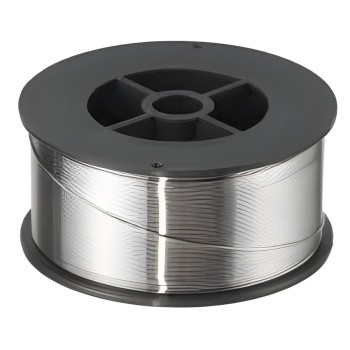
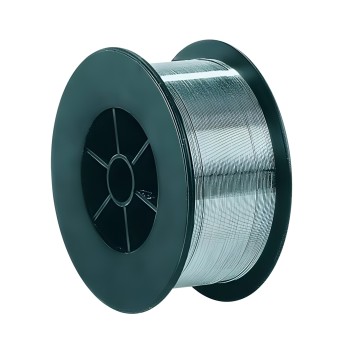
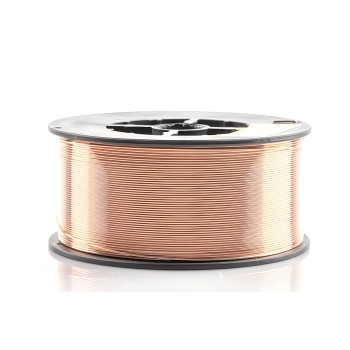
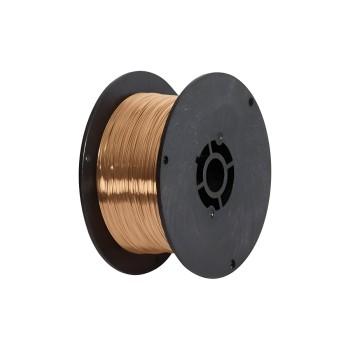
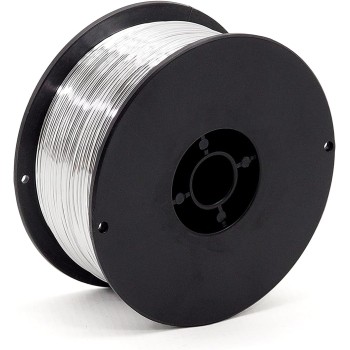
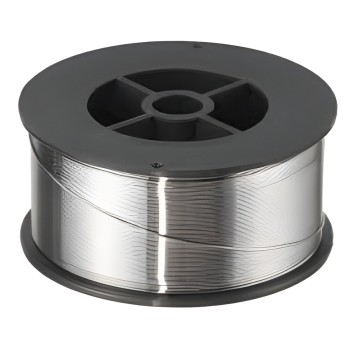
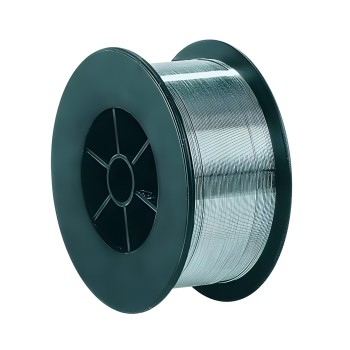
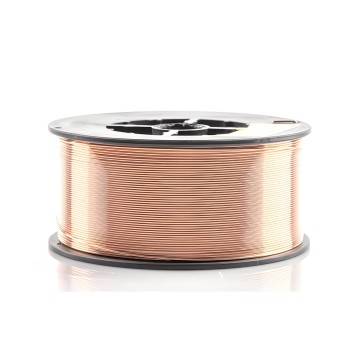
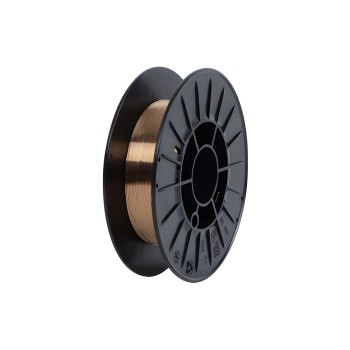
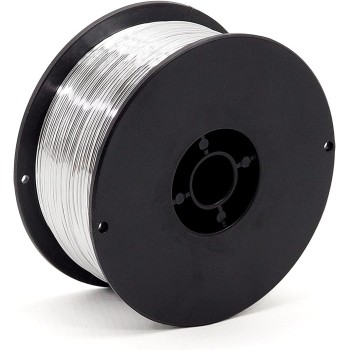
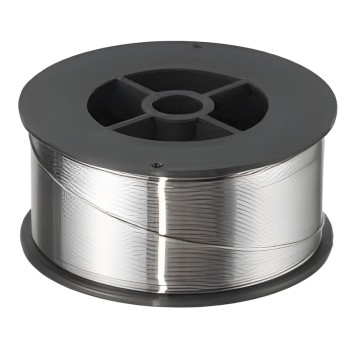
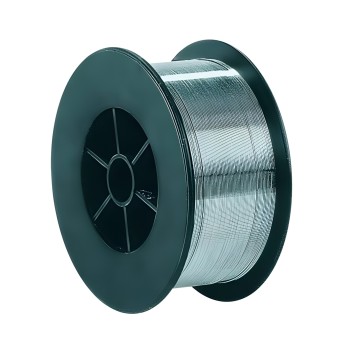
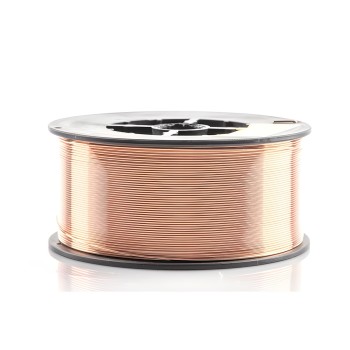
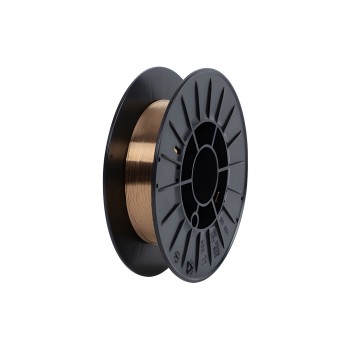
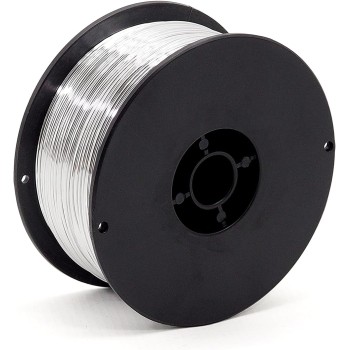
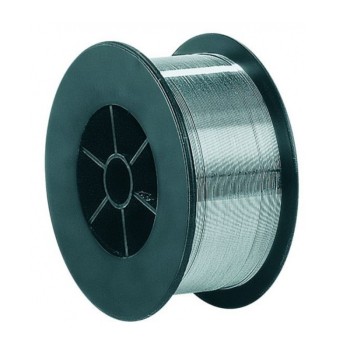
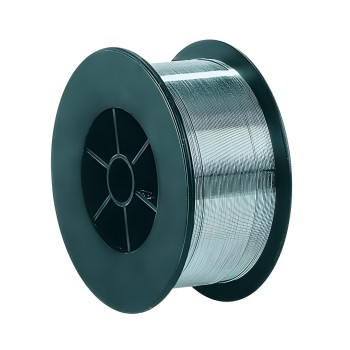
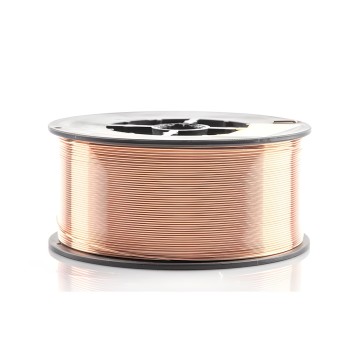
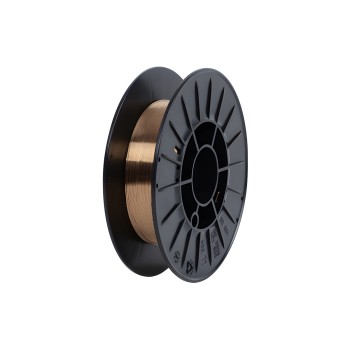
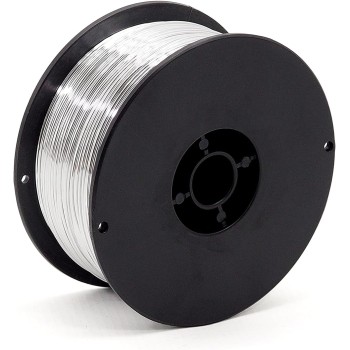
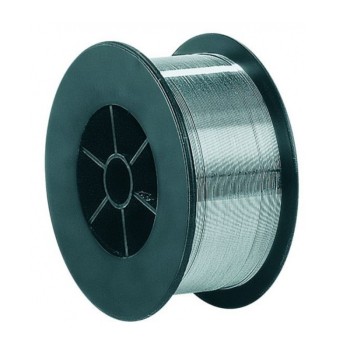
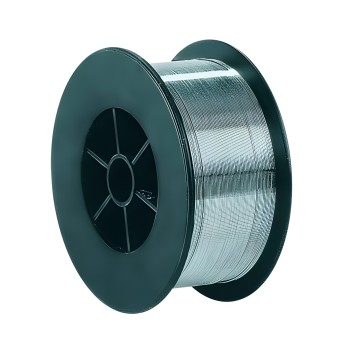
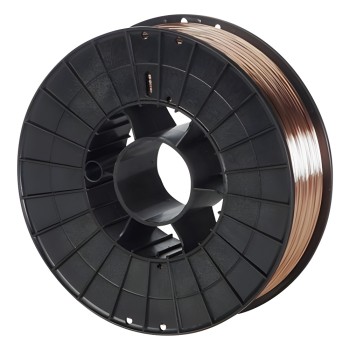
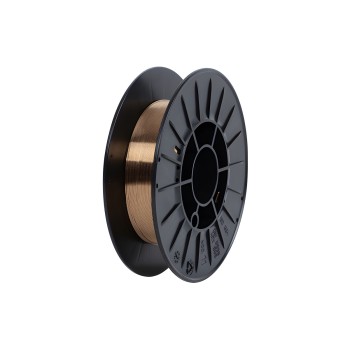
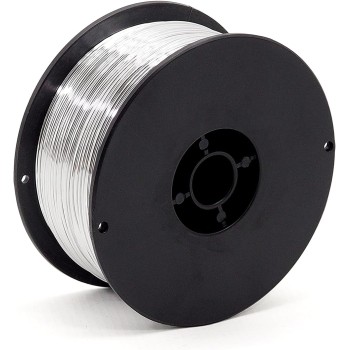
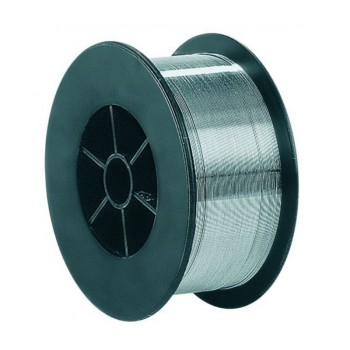
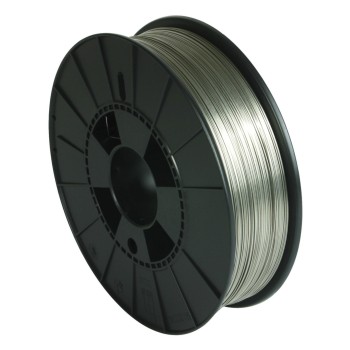
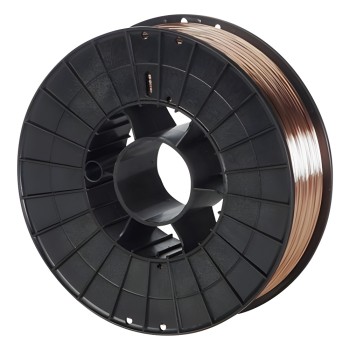
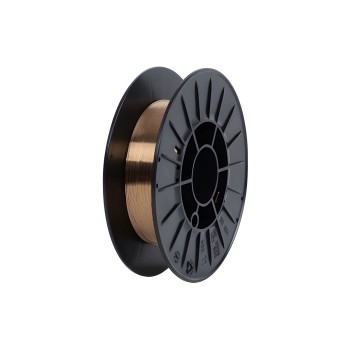
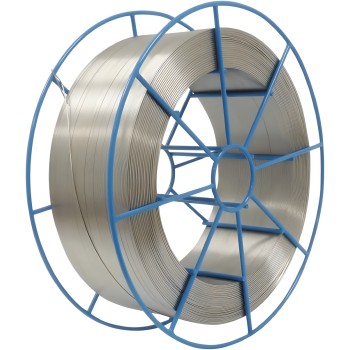
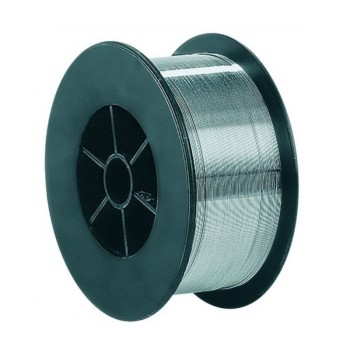
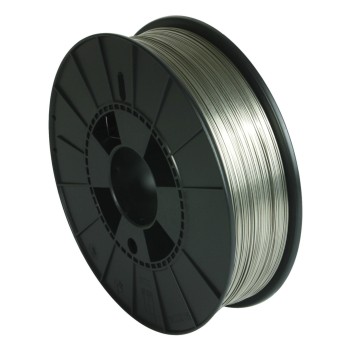
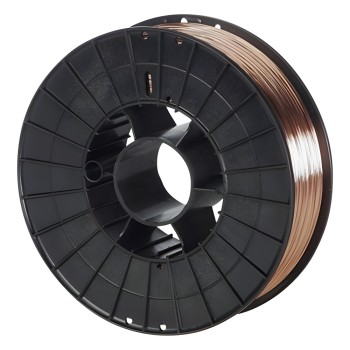
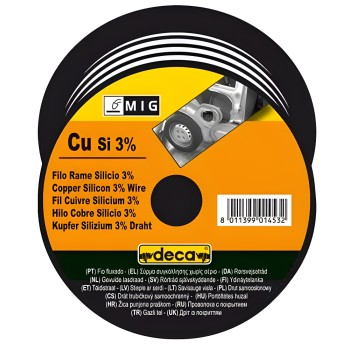
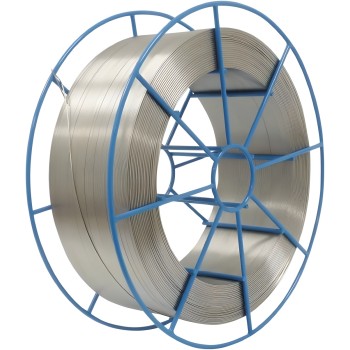
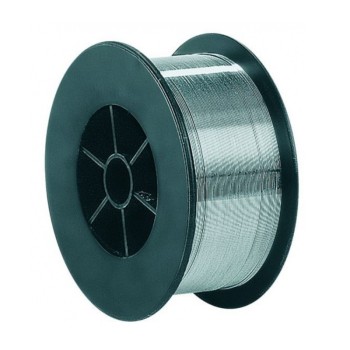
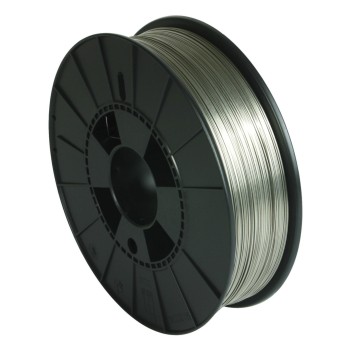
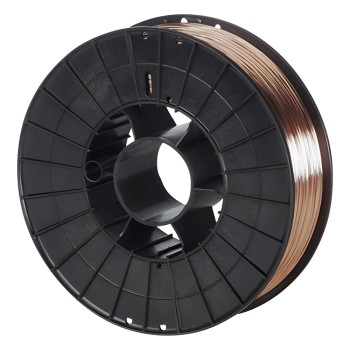
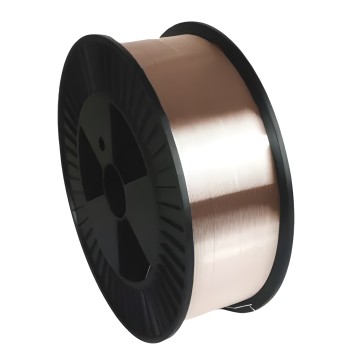
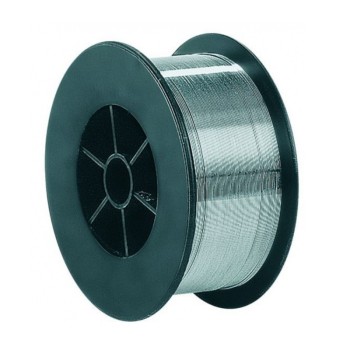
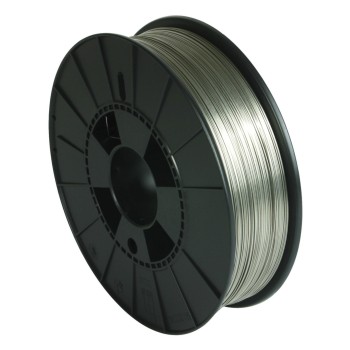
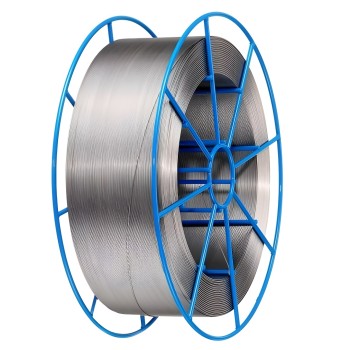
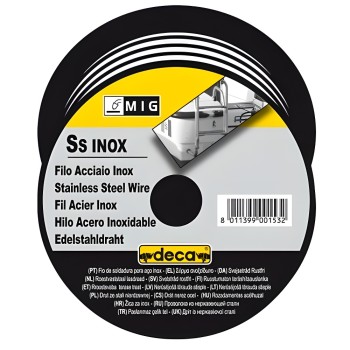
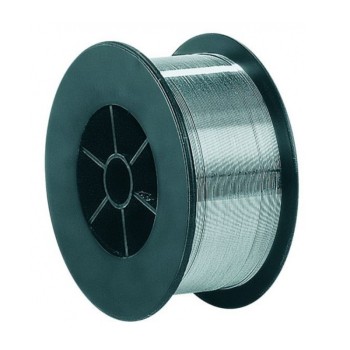
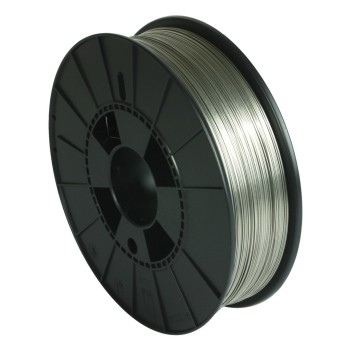
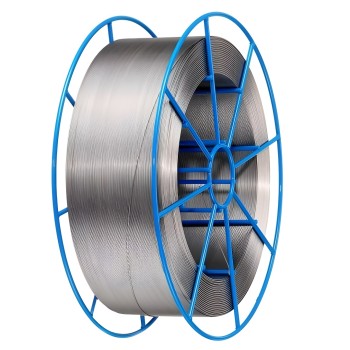
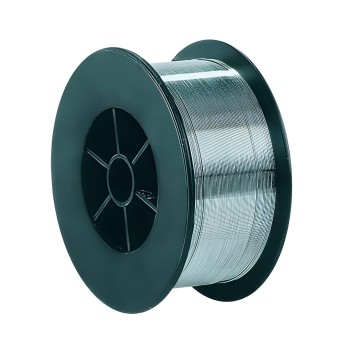
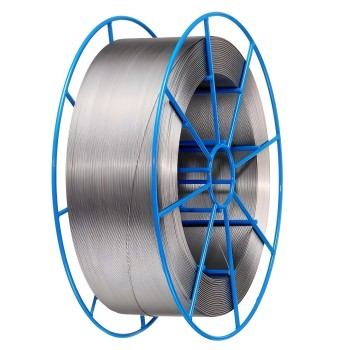
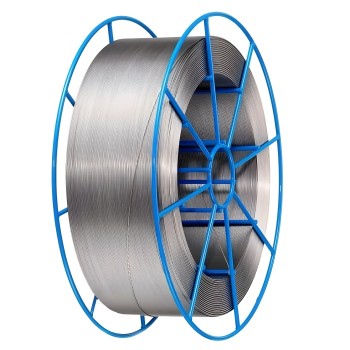
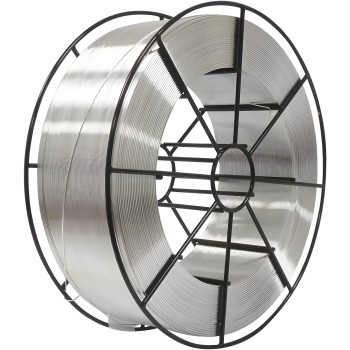
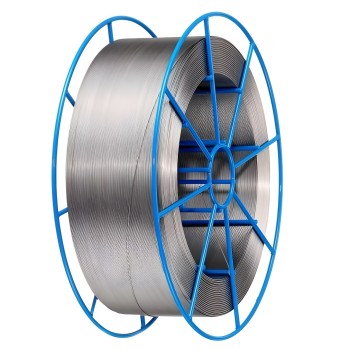
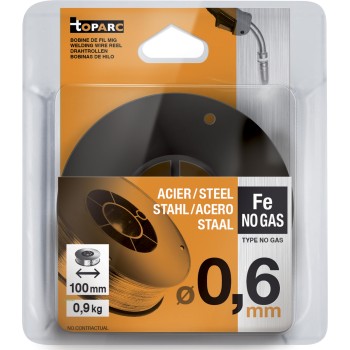
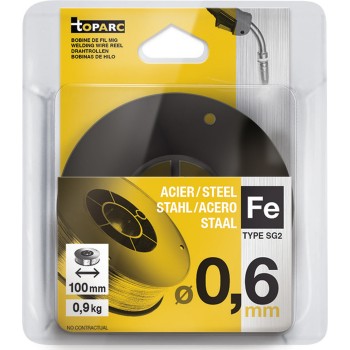
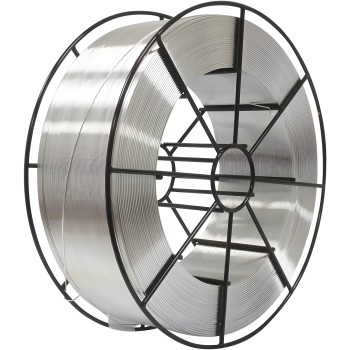
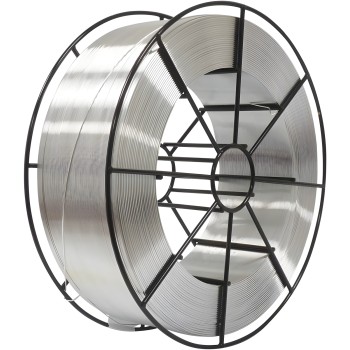
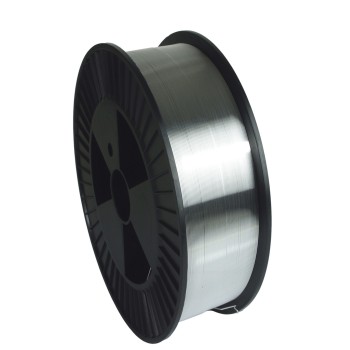
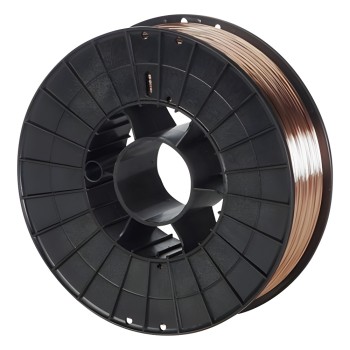
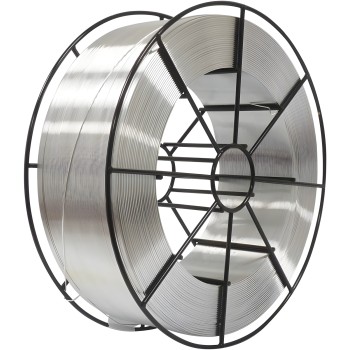
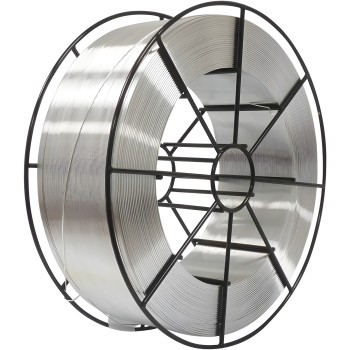
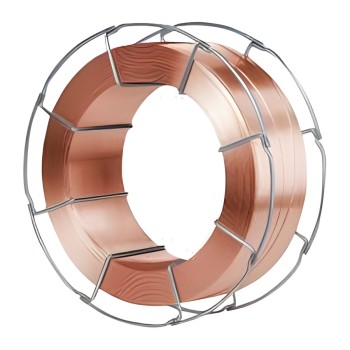
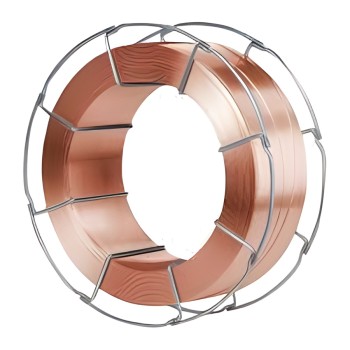
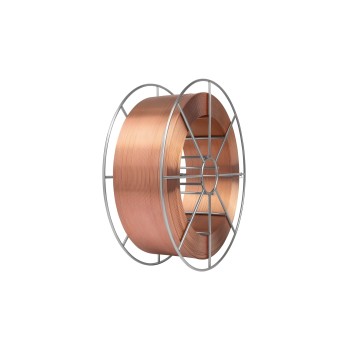
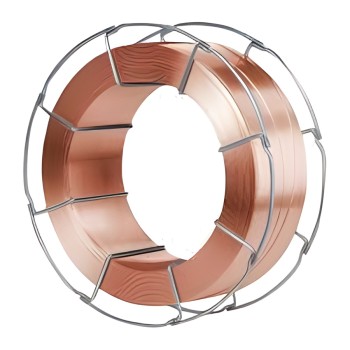
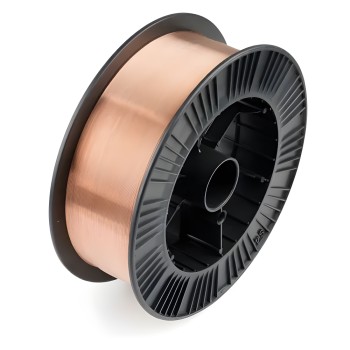
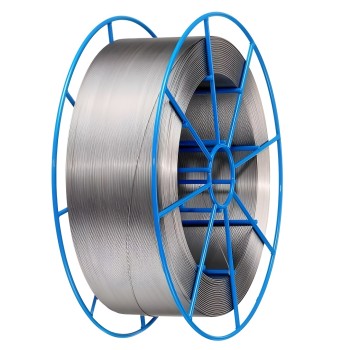
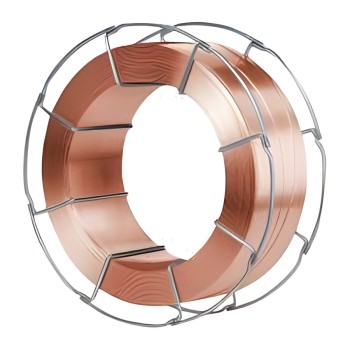
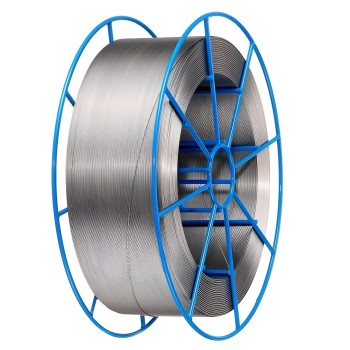
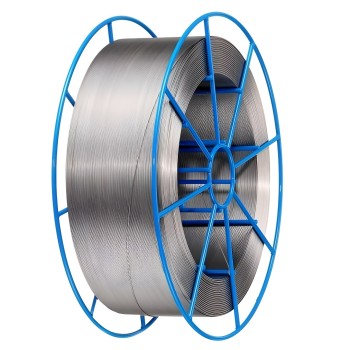
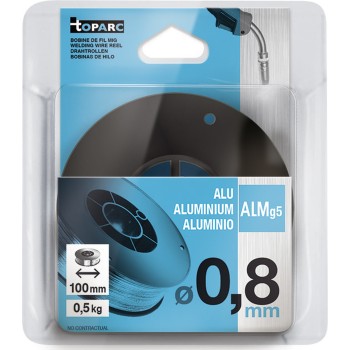
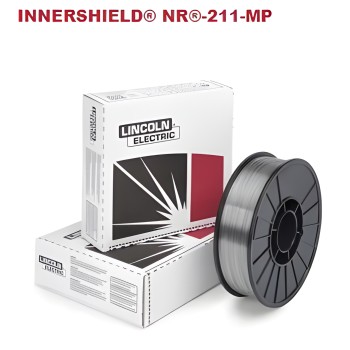
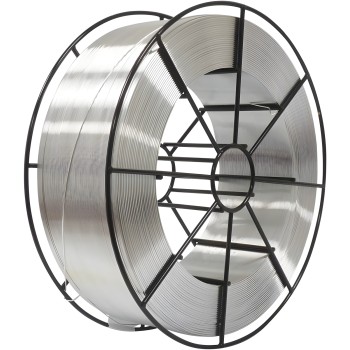
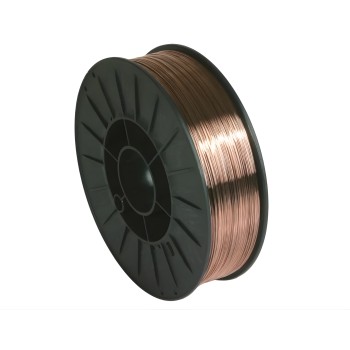
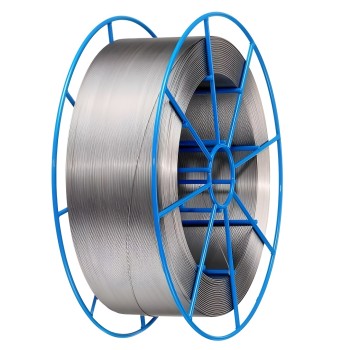
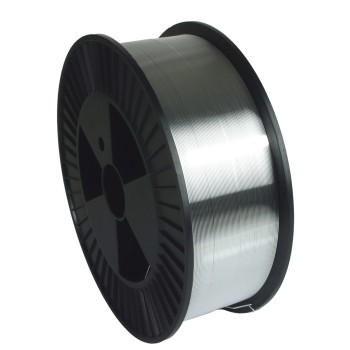
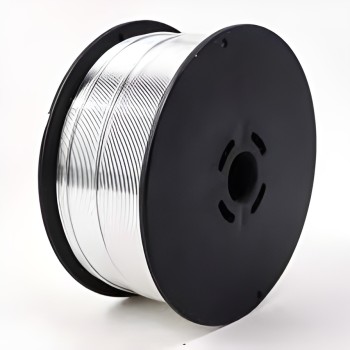
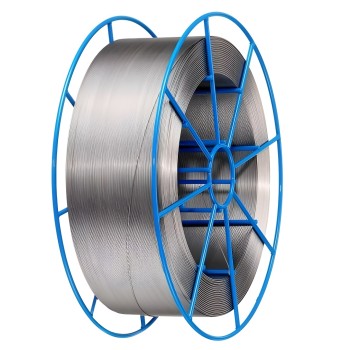
The welding wire is the essential consumable in MIG-MAG semi-automatic welding. Fed continuously, it melts to form the weld bead, which accounts for the process's high productivity. Discover our selection of welding wire spools (solid wire) for MIG welders, in the grades and diameters suited to your work.
The role of wire in MIG welding
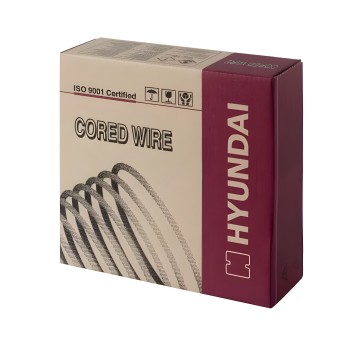
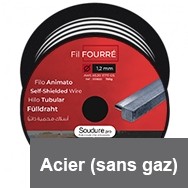
In MIG-MAG welding, the welding wire plays the dual role of electrode and filler metal: it conducts the arc and supplies the material that fills the joint. This continuity explains the speed of the process. Solid MIG welding wire is used with a shielding gas; for gasless welding, flux-cored wire is chosen, as it generates its own shielding.
Choosing the right grade
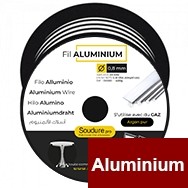
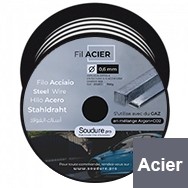
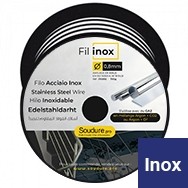
The welding wire is chosen according to the base metal. For steel, a solid steel wire is used with an argon-CO₂ gas. For stainless steel, a stainless wire of the appropriate grade with a specific gas. For aluminium, an aluminium wire with pure argon and ideally a torch with a PTFE liner. Using the correct grade of welding wire ensures the quality and integrity of the weld bead.
The right diameter
The diameter of the MIG welding wire must be suited to the workpiece thickness and the welder's output. Common diameters (0.6, 0.8, 1.0, 1.2 mm) cover most needs: 0.6 and 0.8 mm for thin sheet metal, larger diameters for heavier thicknesses. Check compatibility with your wire feeder, rollers, and contact tip.
Solid wire or flux-cored wire?
The two families meet different needs. Solid welding wire is used with gas, in a workshop, for a clean bead on thin sheet metal and visible parts. Flux-cored wire is welded without gas, outdoors, and tolerates imperfect surfaces better. Many welders keep both on hand depending on the job.
Wire feeding, the key to consistency
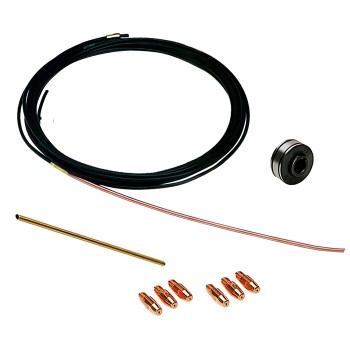
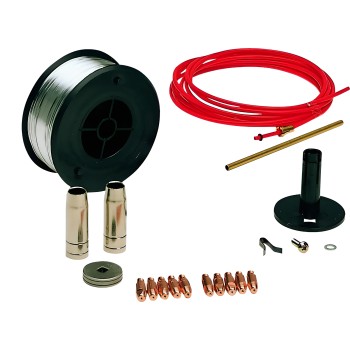
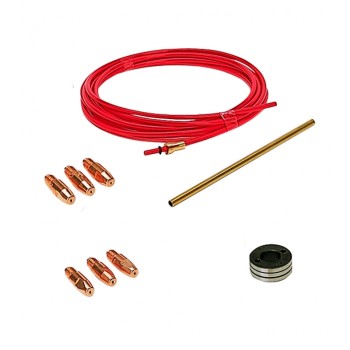
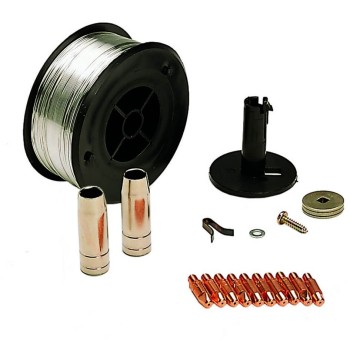
The quality of a weld bead depends largely on proper feeding of the welding wire. Rollers matched to the wire diameter and type, correctly adjusted drive pressure (without crushing the wire), and a contact tip of the right size ensure a steady feed. MIG accessories and spare parts (rollers, contact tips, liners) help maintain the wire feeder.
Storing your spools
A welding wire spool must be kept dry: moisture oxidizes the wire and causes porosity and spatter. Store your spools in their packaging, away from moisture, and install them correctly on the wire feeder to avoid tangles and jams. A properly stored spool retains all its welding qualities.
Welder settings according to the wire
The settings of a MIG welder depend directly on the welding wire used. Arc voltage and wire speed are adjusted together, ideally in increments on a scrap piece of metal, until a steady arc is achieved with a continuous sizzling sound. Synergic welders simplify the process: you enter the metal type, wire diameter, and gas, and the electronics calculate the parameters. A well-adjusted welding wire produces a smooth bead with no sticking and minimal spatter.
Push or pull the torch?
The travel technique influences the result. With solid wire and gas, you often work "dragging" the torch for better penetration and a cleaner bead; with flux-cored wire, you push to better see the weld pool. The choice of MIG welding wire (solid or flux-cored), gas, and technique forms a coherent whole: it is the combination of these parameters that determines the final bead quality, more than any single element taken in isolation.
Steel, stainless steel, or aluminium
One final guide for choosing your welding wire: for steel, copper-coated solid wire with argon-CO₂ gas is the economical, versatile standard. For stainless steel, choose a filler grade matching the base stainless. For aluminium, aluminium wire, which is trickier to feed, requires a suitable torch. Getting the right wire-gas-metal combination remains the key to a sound weld bead.
Our advice
To choose the right welding wire, start with the base metal (steel, stainless steel, aluminium), then select the diameter suited to the material thickness and your welder. Check compatibility with your MIG-MAG welder and your gas, and pay attention to the wire feeder settings. Browse our selection of solid wire spools for clean, consistent welds.
Frequently asked questions
Which welding wire should I choose for a MIG welder?
Depending on the metal: a solid steel wire with argon-CO₂ gas for steel, a stainless steel wire with a suitable gas for stainless, and an aluminium wire with pure argon for aluminium. For gasless welding, flux-cored wire is chosen, as it generates its own shielding.
What diameter of welding wire should I use?
Depending on material thickness and welder output: 0.6 and 0.8 mm for thin sheet metal, 1.0 and 1.2 mm for heavier thicknesses. Check compatibility with your wire feeder, rollers, and contact tip.
What is the difference between solid wire and flux-cored wire?
Solid wire is used with an external shielding gas, in a workshop setting, for a clean bead. Flux-cored wire, hollow and filled with flux, can be welded without gas, outdoors, and tolerates rusty or painted surfaces better, but leaves slag that must be removed.
How should I store a welding wire spool?
Keep it dry, in its packaging: moisture oxidizes the wire and causes porosity and spatter. Install the spool correctly on the wire feeder to avoid tangles and jams, and adjust the drive pressure without crushing the wire.
What type of wire do I need for a MIG welder?
MIG wire is chosen according to the metal: steel, stainless steel, aluminium, or flux-cored. The diameter depends on the material thickness and welder power, typically 0.6 to 1.0 mm.


 Italy
Italy
 Germany
 Netherlands
 Croatia
 Denmark
 Finland
 Greece
 Ireland
 Sweden
 Norway
 Bulgaria
 Estonia
 Latvia
 Lithuania
 Poland
 Czech Republic
 Romania
 Slovakia
 Slovenia
 Hungary
 Spain
Spain



 2-year warranty