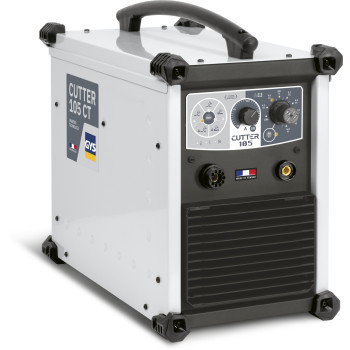
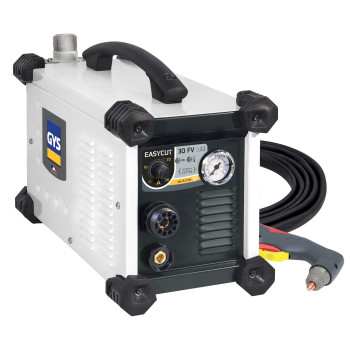
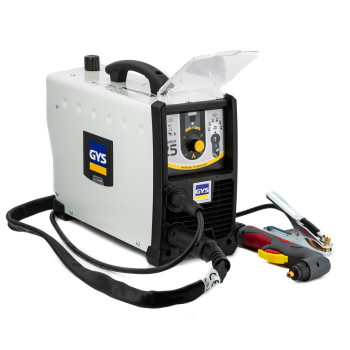
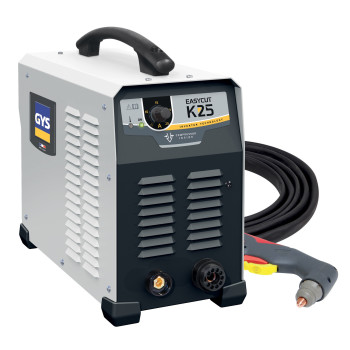
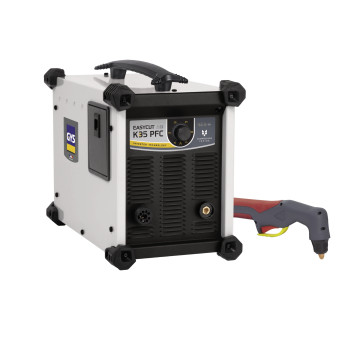
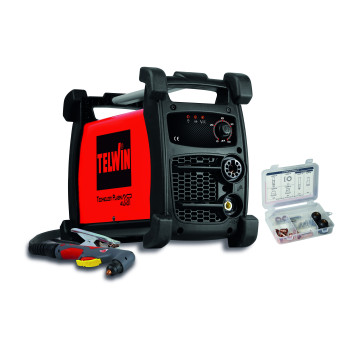
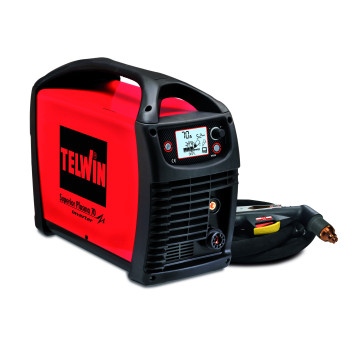
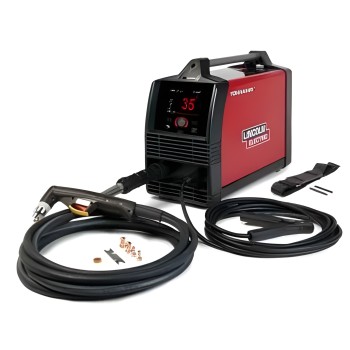
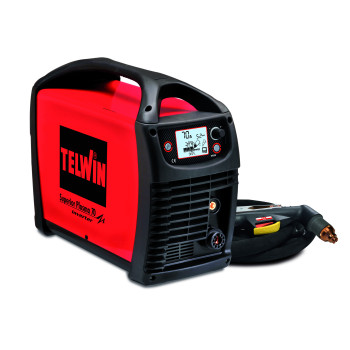
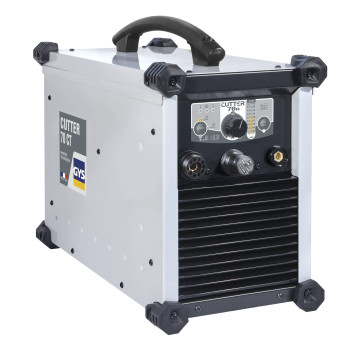
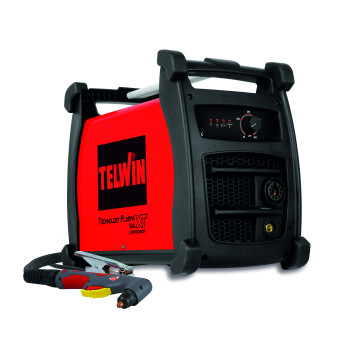
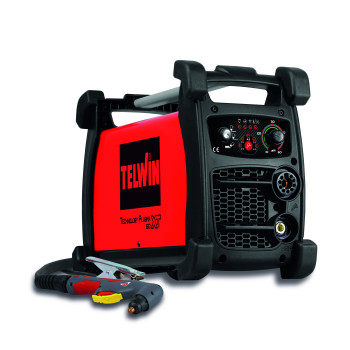
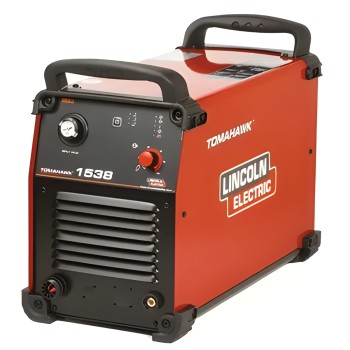
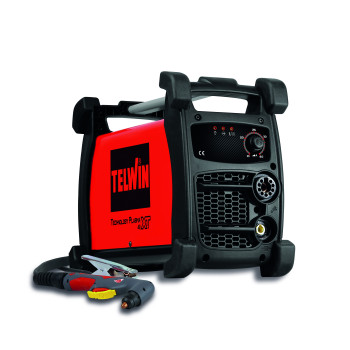
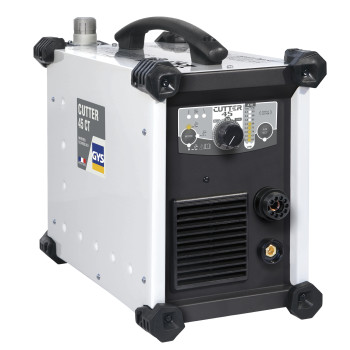
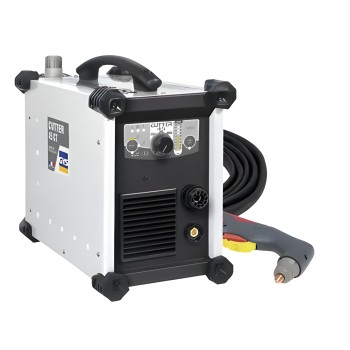
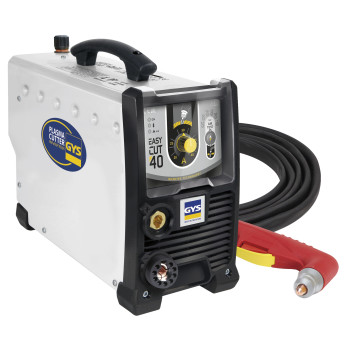
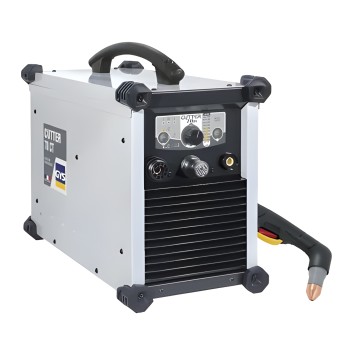
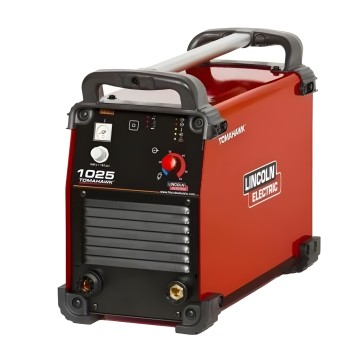
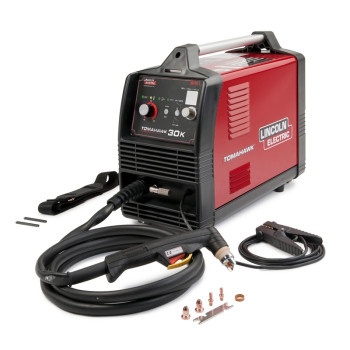
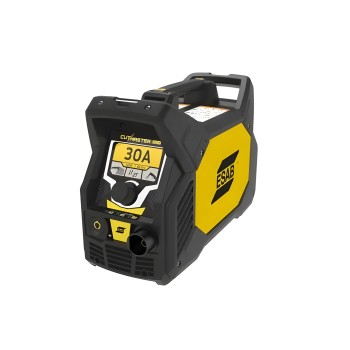
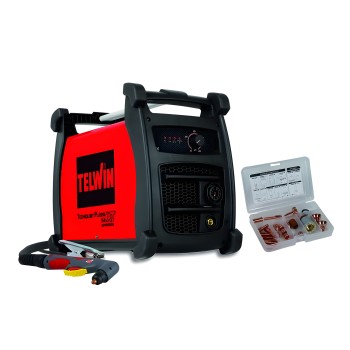
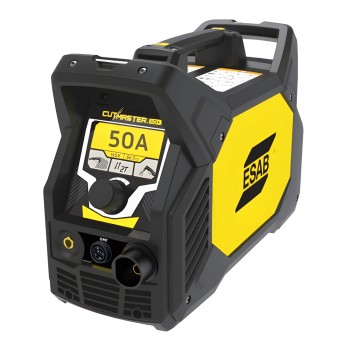
The plasma cutter is the fastest and most precise tool for cutting conductive metals. By transforming a gas into plasma at very high temperatures, it cleanly cuts steel, stainless steel, and aluminium where mechanical processes fall short. Discover our selection of professional plasma cutting machines and their accessories, from workshop models to high-intensity generators.
How does plasma cutting work?
Plasma cutting is based on a simple yet powerful principle: a gas (most often compressed air) is propelled at high speed through a nozzle, while an electric arc heats it to several thousand degrees, transforming it into plasma. This ultra-hot jet melts the metal and expels it instantly, creating a clean, narrow cut. Plasma cutting is far faster than an angle grinder or saw, and only minimally affects the edges.
Why choose a plasma cutter?
The professional plasma cutter offers decisive advantages: speed of execution, clean cuts, low thermal distortion, and the ability to follow complex lines. It cuts all conductive metals — steel, stainless steel, aluminium, copper — regardless of their hardness. For metalwork, boilermaking, bodywork, or maintenance, it is a tool that saves considerable time. It is an ideal complement to a range of MMA welders or MIG-MAG machines.
Plasma with or without built-in compressor
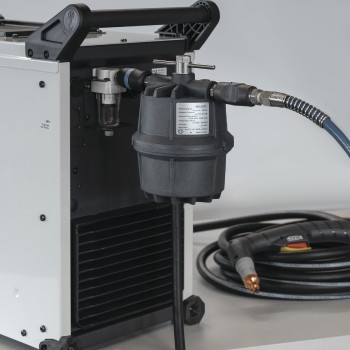
An important distinction separates the models. The classic plasma machine requires an external compressed air source (compressor). Models with a built-in compressor have their own air supply, making them completely autonomous and portable: ideal for on-site work without an air network. Choose based on whether or not you have a workshop compressor.
Choosing the right plasma cutting machine
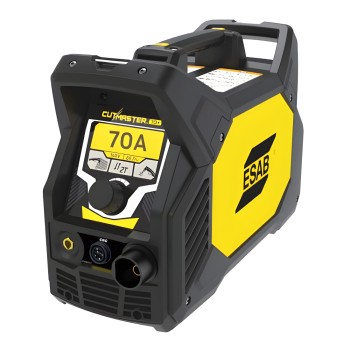
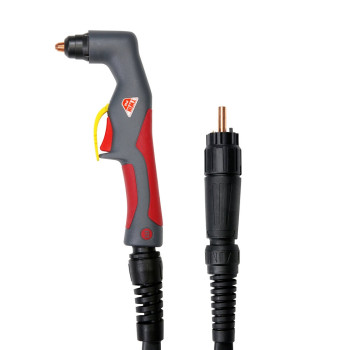
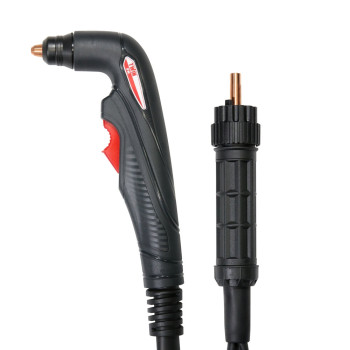
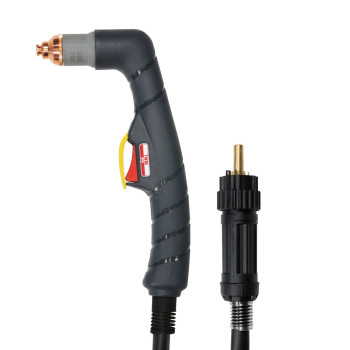
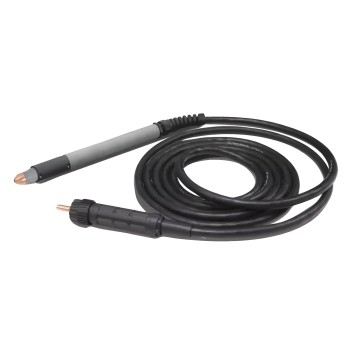
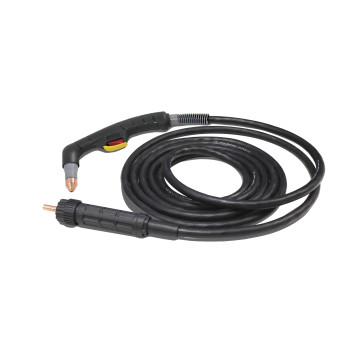
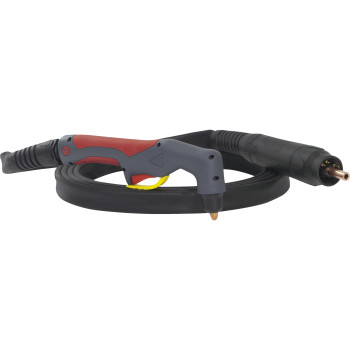
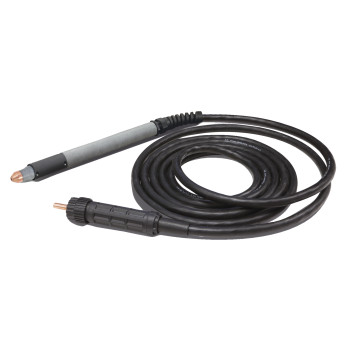
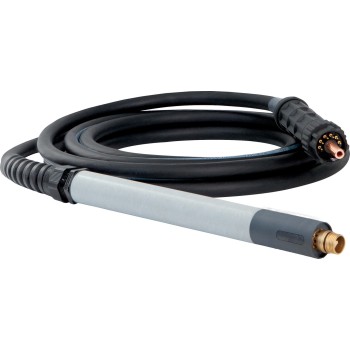
Several criteria guide the choice of a plasma cutting machine. The maximum amperage determines the cutting thickness: the higher it is, the thicker you can cut. The duty cycle ensures endurance on long cuts. The quality of the torch and the availability of consumables (nozzles, electrodes) are essential, as these are wear parts. Also check the power supply (single-phase or three-phase) according to your workshop and the power required.
Consumables, the key components
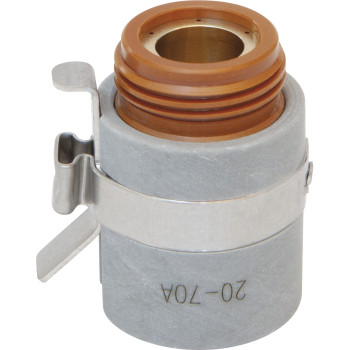
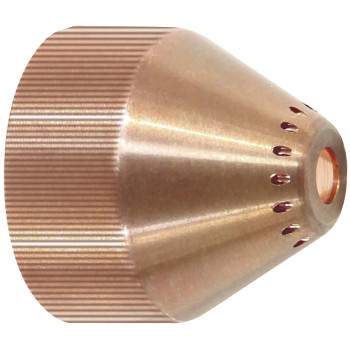
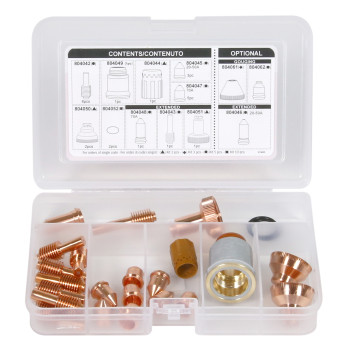
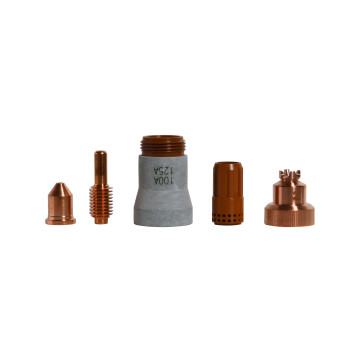
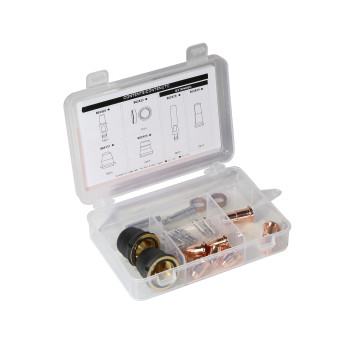
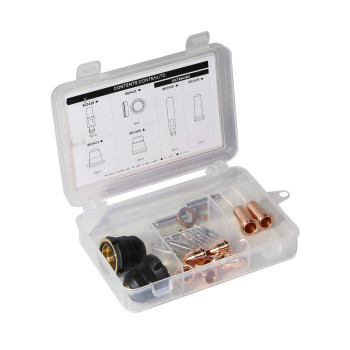
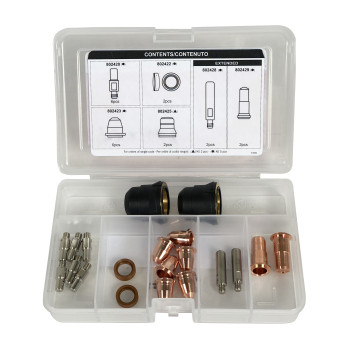
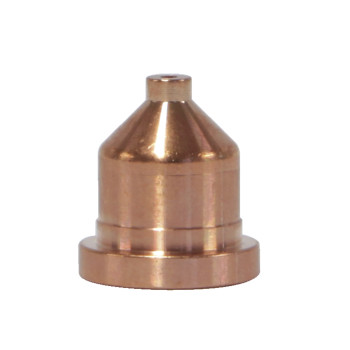
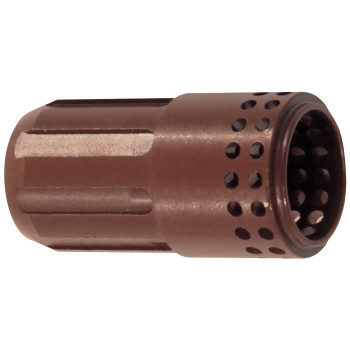
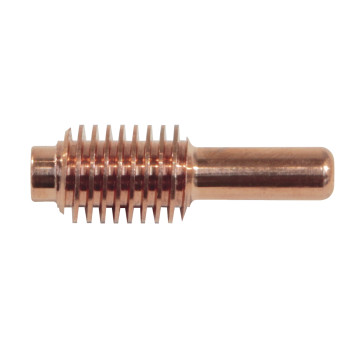
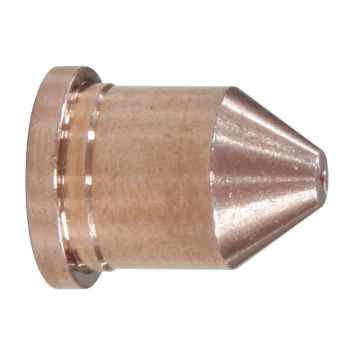
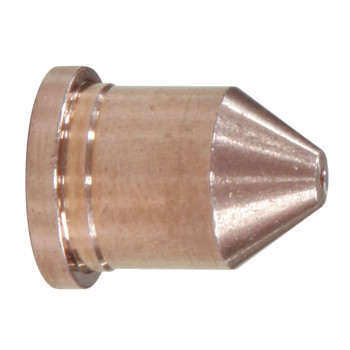
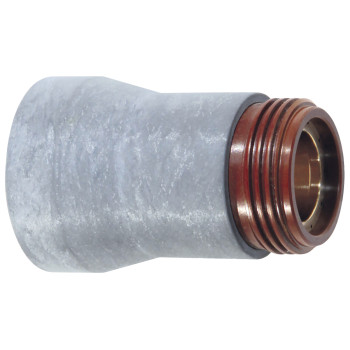
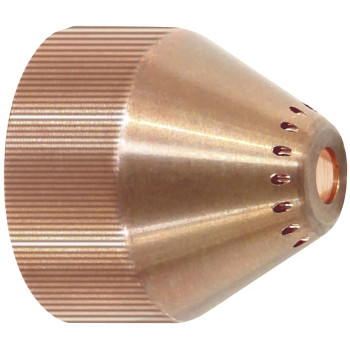
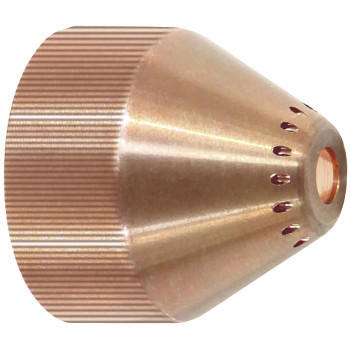
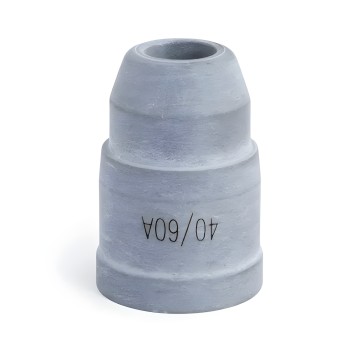
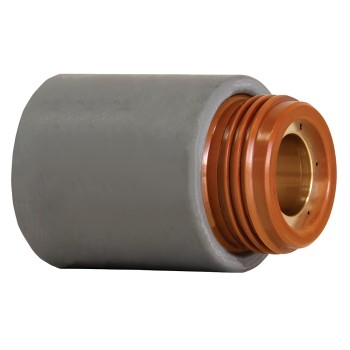
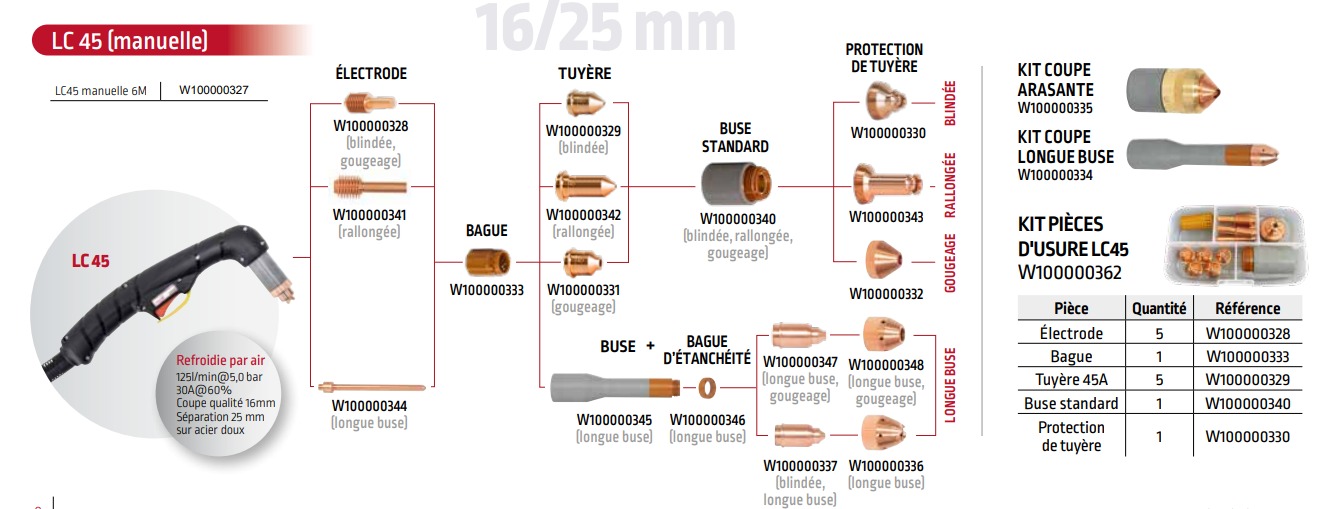
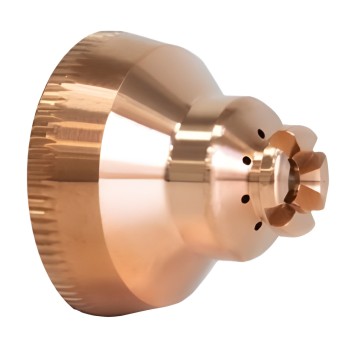
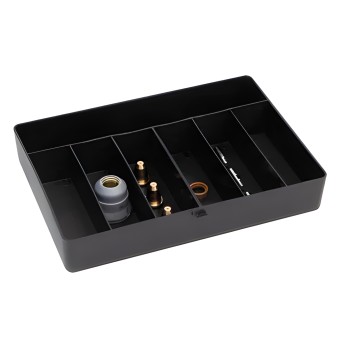
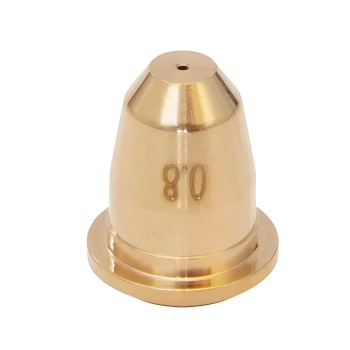
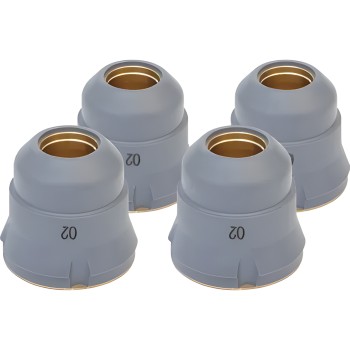
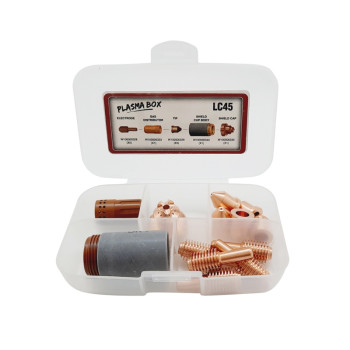
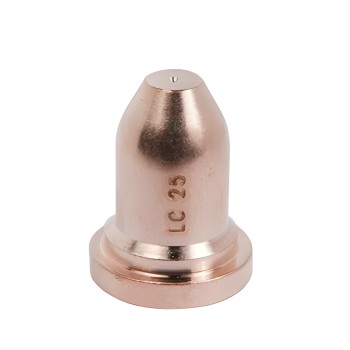
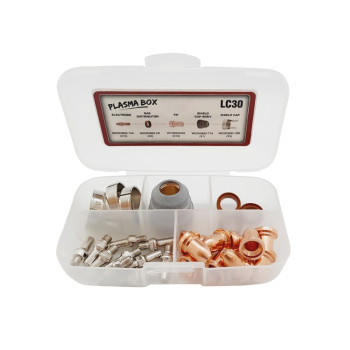
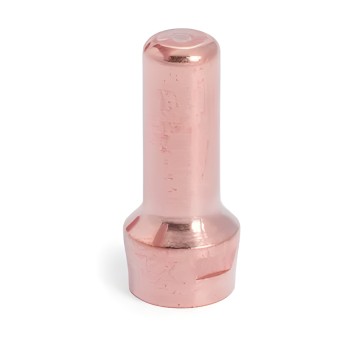
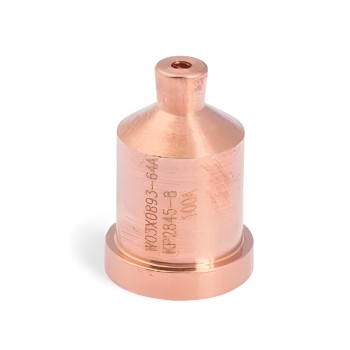
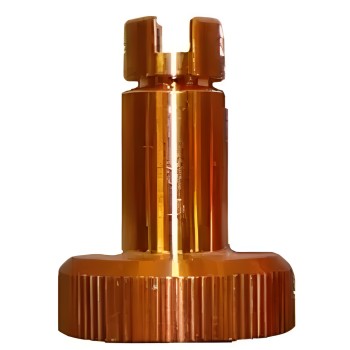
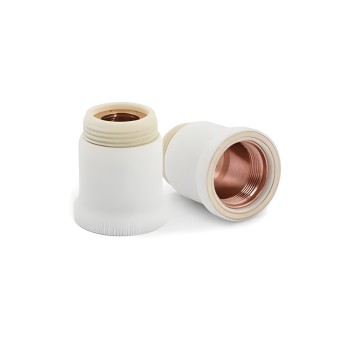
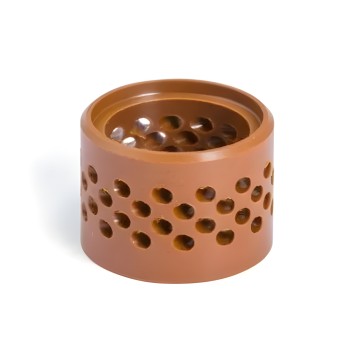
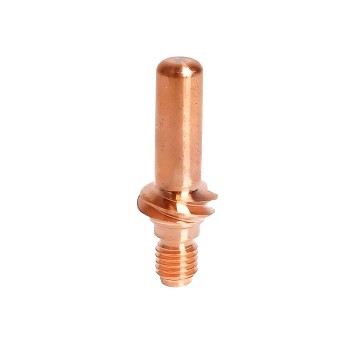
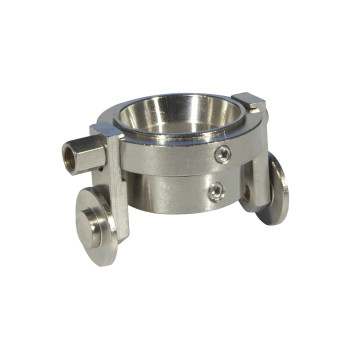
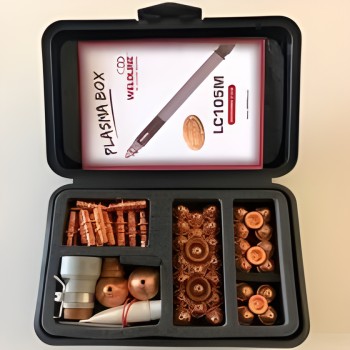
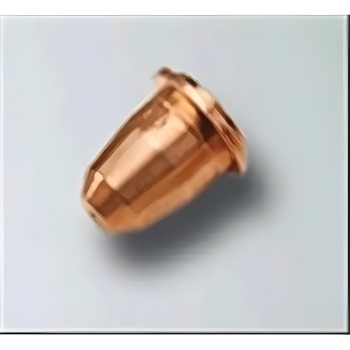
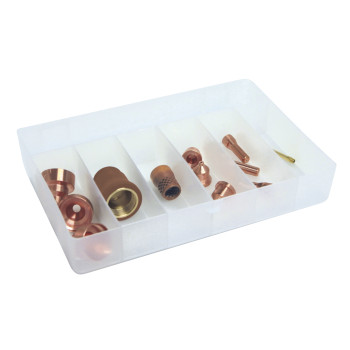
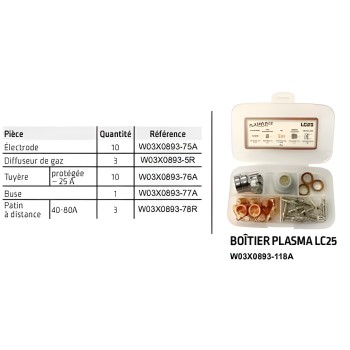
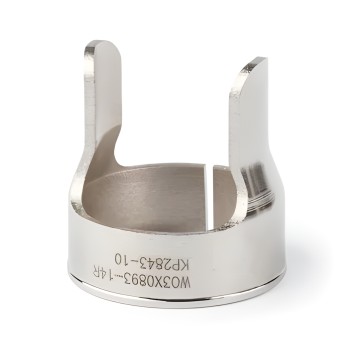
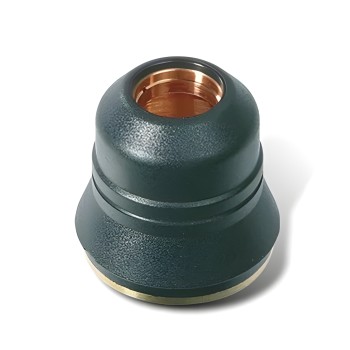
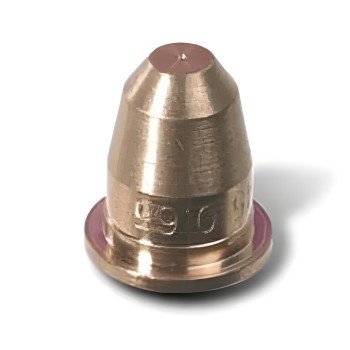
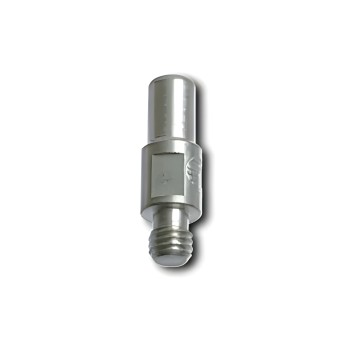
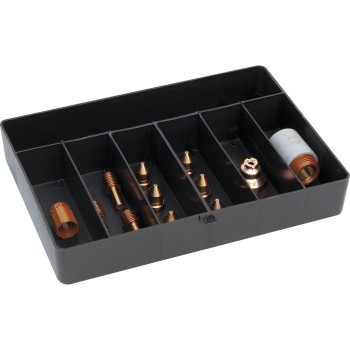
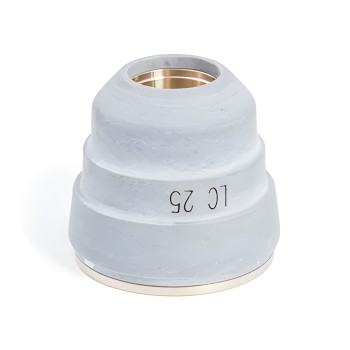
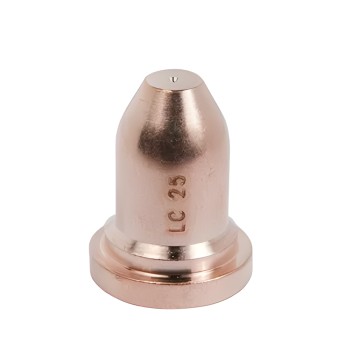
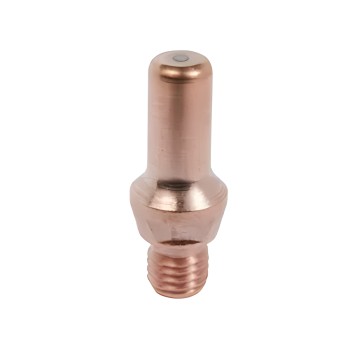
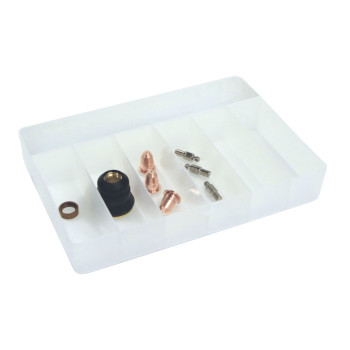
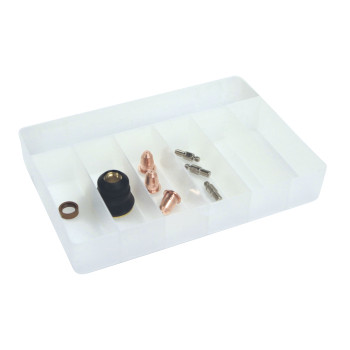
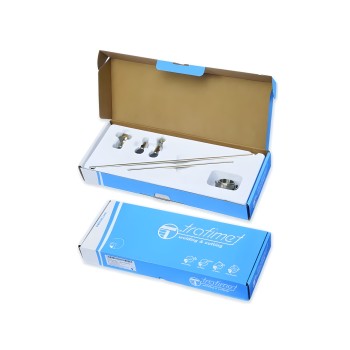
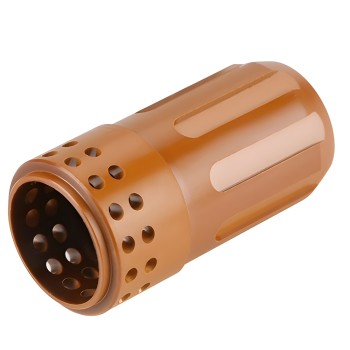
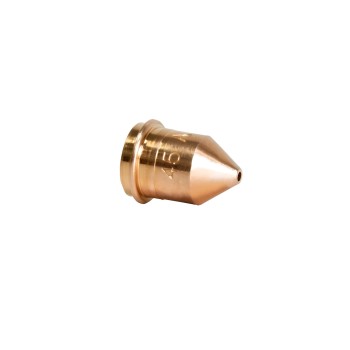
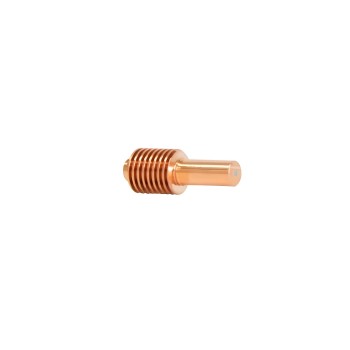
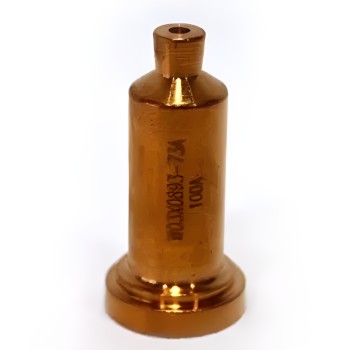
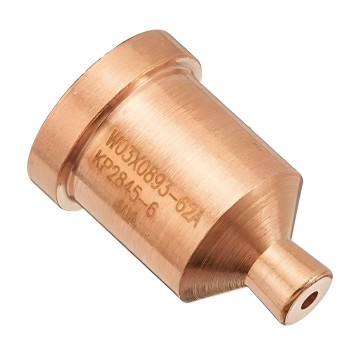
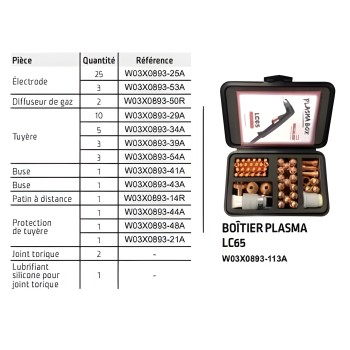
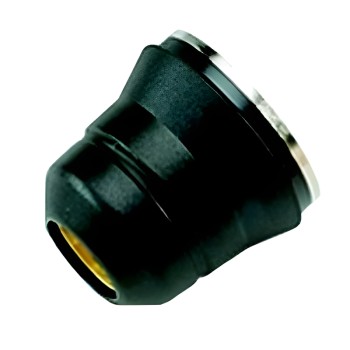
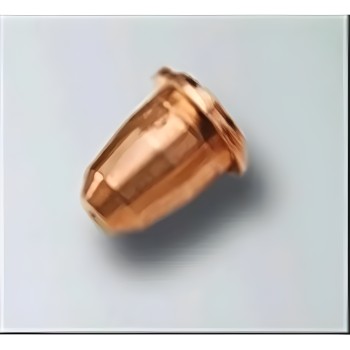
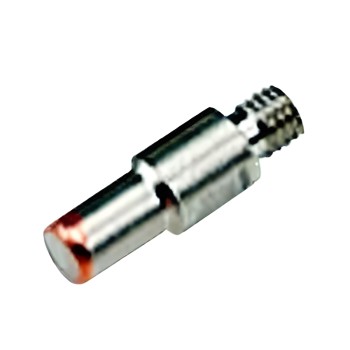
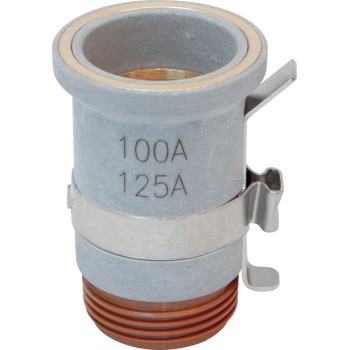
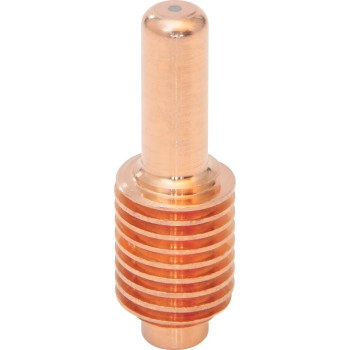
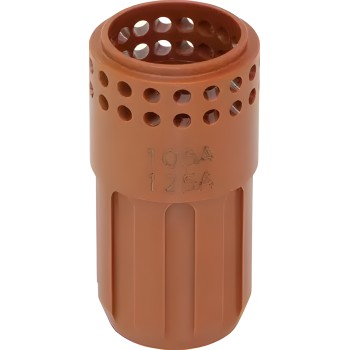
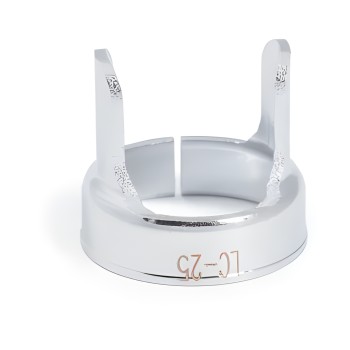
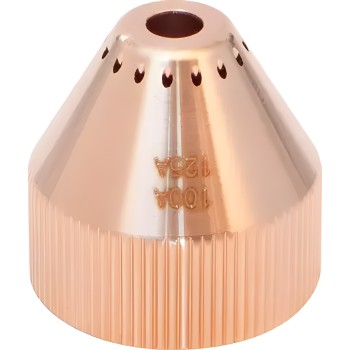
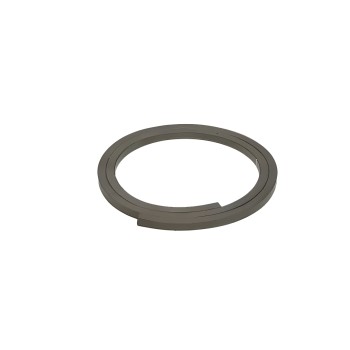
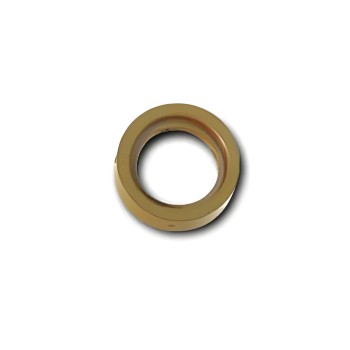
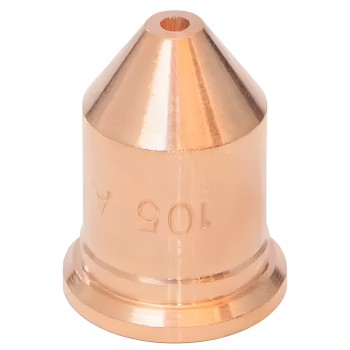
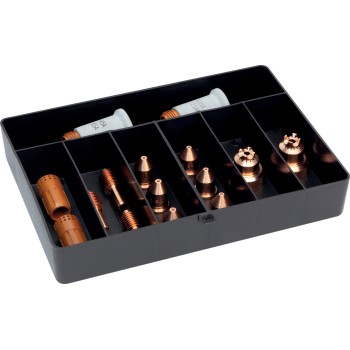
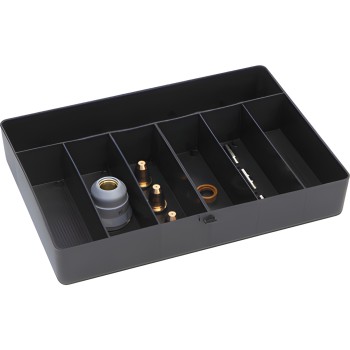
The plasma cutter consumes nozzles and electrodes that wear over time. Quality consumables, in the correct size, determine the precision of the cut and the lifespan of the torch. Always keep a stock of wear parts on hand to avoid interrupting a job. Regular torch maintenance — checking nozzles, cleaning — preserves cutting precision.
Plasma cutting and welding: complementary tools
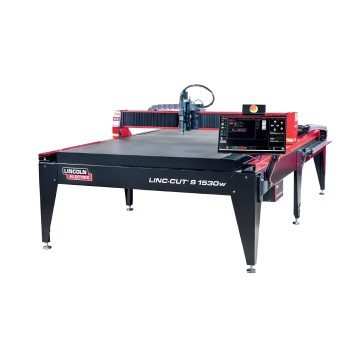
The plasma cutter and the welding machine form a natural duo in the workshop. Parts are cut with plasma, then assembled by welding. Many workshops combine a plasma cutter with their TIG or MIG machines to cover the entire manufacturing cycle, from part preparation to final assembly. A cutting table also makes it easier to hold and guide workpieces.
Plasma cutting safety
Plasma cutting generates an intense arc, molten metal spatter, and fumes. Appropriate tinted eye protection is essential, as are gloves and protective clothing. Work on a non-flammable surface, ventilate the area, and keep all flammable materials at a distance. Adherence to these guidelines is imperative given the temperature of the jet.
Manual or guided plasma?
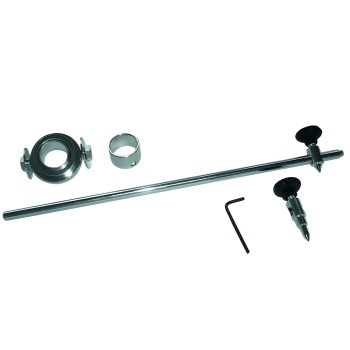
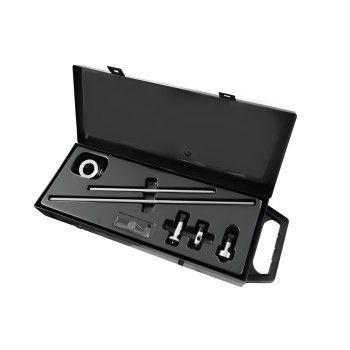
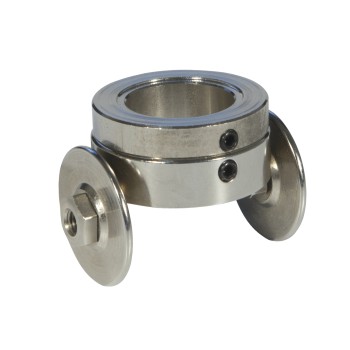
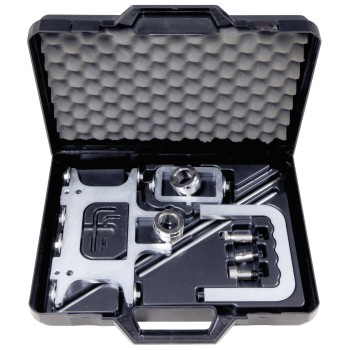
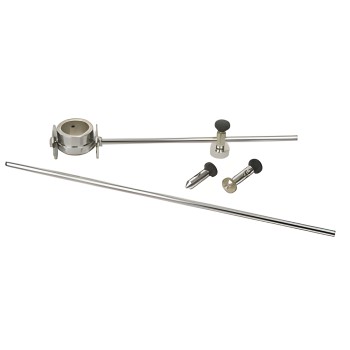
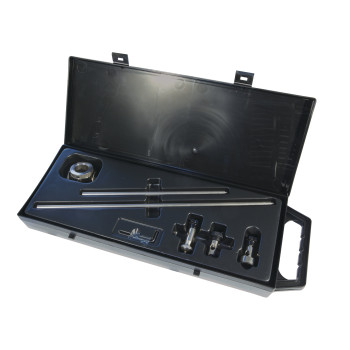
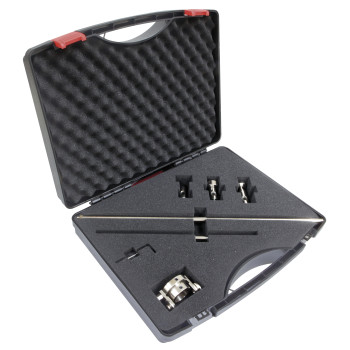
Plasma cutting is most often performed freehand, along a line or template. For straight, clean cuts, using a guide or cutting compass noticeably improves results. For series production or complex shapes, CNC cutting tables automate torch movement, but these represent an industrial investment. For most workshops, a good manual plasma cutter, combined with a sturdy welding table as a support, easily meets requirements. The consistency of the cut depends as much on the operator's hand as on the quality of the machine and its consumables.
Our recommendation
To choose your plasma cutter, start from the maximum thickness to be cut and your working pace. A model with a built-in compressor provides valuable autonomy in the field; a workshop model powered by a compressor suits fixed workstations. Check the availability of consumables and prioritise a robust torch. Browse our selection of professional plasma cutting machines to find the right machine for your work.
Frequently asked questions
What thickness can a plasma cutter cut?
The cutting thickness depends on the machine's amperage: the higher it is, the thicker you can cut. Workshop models commonly cut several millimetres to more than a centimetre of steel, with powerful generators cutting even more. Check the "clean cut" capacity stated by the manufacturer, which is more realistic than the maximum cut specification.
Do you need a compressor to use a plasma cutter?
Yes, plasma requires compressed air. Standard models require an external compressor, while models with a built-in compressor have their own air supply and are completely autonomous, ideal for on-site work without an air network.
Which metals can be cut with plasma?
All conductive metals: steel, stainless steel, aluminium, copper, regardless of their hardness. Plasma does not, however, cut non-conductive materials (wood, plastic, glass). This is one of its great advantages: it cleanly cuts metals that mechanical processes struggle with.
What is the difference between plasma cutting and an angle grinder?
The plasma cutter is much faster, more precise, and causes less edge distortion than an angle grinder. It follows complex lines and produces a clean cut. An angle grinder remains useful for occasional cuts without investment, but plasma is the clear choice when cutting frequently or requiring clean results.
What is the average lifespan of a plasma cutter?
A well-maintained plasma cutter can last several years. Its lifespan depends on air quality, adherence to the duty cycle, and regular replacement of consumables.
What are the disadvantages of plasma cutting?
Plasma cutting produces noise, fumes, and spatter. It requires clean air, consumables in good condition, and only cuts conductive materials.
How does plasma cutting work?
Plasma cutting creates an electric arc that ionises a compressed gas. This very hot jet melts the metal and the air blows the material away to form the cut.
Can you weld with a plasma cutter?
No, a plasma cutter is used to cut conductive metals, not to weld them. To join parts together, you need an MMA, MIG-MAG, TIG or laser welder depending on your needs.
What is a plasma cutter?
A plasma cutter is a device that cuts conductive metals with a very hot plasma jet. It is fast, precise, and useful for steel, stainless steel, or aluminium.


 Italy
Italy
 Germany
 Netherlands
 Croatia
 Denmark
 Finland
 Greece
 Ireland
 Sweden
 Norway
 Bulgaria
 Estonia
 Latvia
 Lithuania
 Poland
 Czech Republic
 Romania
 Slovakia
 Slovenia
 Hungary
 Spain
Spain



 2-year warranty