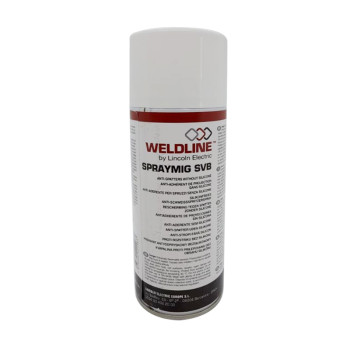
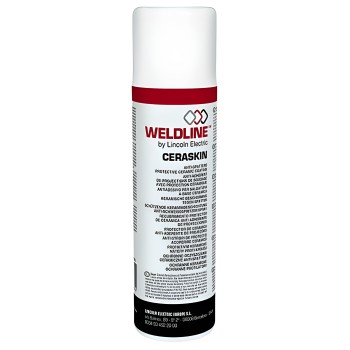
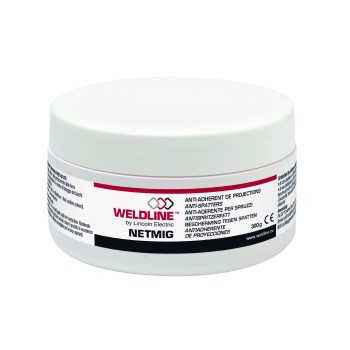
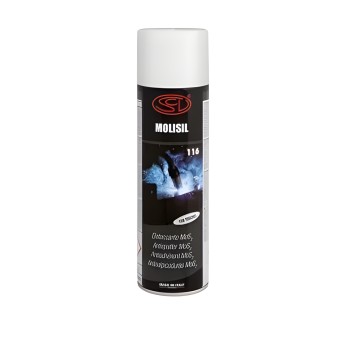
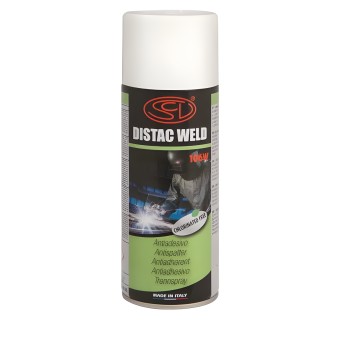
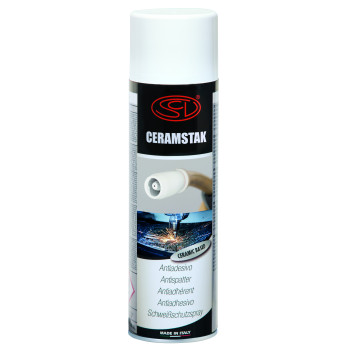
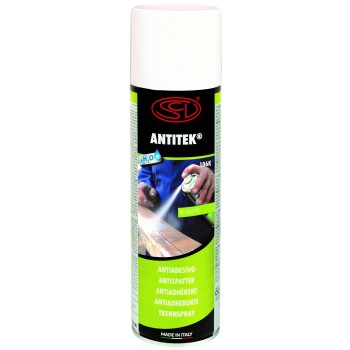
Welding is a trade that many people are passionate about. Whether for DIY enthusiasts or welding professionals, it is important to have the accessories necessary for material safety and worker well-being. The choice of each piece of equipment matters in this process. For example, an anti-spatter spray will need to be chosen to carry out welding work in the best conditions. To better understand the usefulness of this equipment, discover this guide which addresses the subject.
What is a welding anti-spatter product used for?
Also known as welding spray, an anti-spatter product is one of the main elements of welding equipment. This accessory is primarily applied to the parts to be welded to prevent marks after each intervention by the worker. It also allows for the cleaning and maintenance of welding nozzles. The role of the anti-spatter is not limited to that alone!
Likewise, the welding spray, as it is commonly known, also helps protect the area where the welding work is to be carried out. As a result, the risk of weld spatter in the work area is reduced, without compromising the weld bead. The areas protected by the welding spray are generally made of carbon steel, copper or aluminium. Anti-spatter products are also capable of protecting surfaces made of stainless steel, brass and inox.
Beyond their capacity to protect the work area, anti-spatter products also ensure the safety of welding tools such as torch tips, contact tubes and metal welding nozzles. Finally, these products help prevent oxidation of metal parts, thereby extending the lifespan of materials against the risk of corrosion.
Who can use an anti-spatter product?
The use of a welding anti-spatter product is necessary in several technical fields. In the industrial sector, this tool is for example indispensable for shipbuilding and railway construction. Professionals in industrial pipework and the manufacture of welded rolled tubes also use it for their various tasks.
The same applies to experts in mechanised welding and industrial boilermaking. Also, for automotive or industrial bodywork, this tool is equally necessary to protect welding surfaces. However, there are various ranges of anti-spatter products on the market. The professional must therefore make a sound choice in order to deliver impeccable work to their clients.
What criteria should be used to choose an anti-spatter product?
The first thing to do when choosing an anti-spatter product is to consider the requirements or the welding work to be carried out. Since it is a product available in several ranges, it is recommended to choose the most appropriate one. For example, there are welding spray options that do not contain silicone. These are particularly recommended for post-finishing welding work. Also, anti-spatter products are formulated either on the basis of an aqueous solution or on a ceramic base. It is therefore advisable to make a choice based on the intended use. For example, when using metal powder flux-cored wire, it is recommended to use an anti-spatter product formulated with ceramic powder. Indeed, this type of solution provides effective long-term protection.
The choice of anti-spatter sprays should also be based on their composition. Indeed, the best selection consists of choosing an anti-spatter whose solution is based on an active ingredient dissolved in a chlorinated solvent. Thanks to this type of spray, the application is finer and drying is faster. For this reason, it is recommended to check the contents before confirming a purchase.
Finally, it is advisable to check other indications on the welding anti-spatter bottle. Indeed, some unscrupulous manufacturers do not comply with legal requirements by omitting the R40 phrase on their spray. Users are therefore invited to check for the presence or absence of the "Xn" designation on the packaging. This indication is used to signal that the spray may contain toxic substances. It is generally displayed as a black cross on an orange background. To be certain of choosing the right anti-spatter product, it is worth checking for a safety phrase number. It is often indicated in the form RXXC-X accompanied by the full text of the phrase in the relevant language.
Does using an anti-spatter product have any drawbacks?
The main drawback of using an anti-spatter product is that the sprays tend to leave white marks on the material to be welded. It is therefore recommended to thoroughly clean each welded element before starting new galvanising or painting work.
It is true that the presence of white marks is the main drawback of an anti-spatter product. However, some anti-spatter products are flammable due to their content of butane and propane propellant gases. Precautions should be taken to keep them away from combustible materials to avoid the risk of fire. The user must also take other precautions to avoid unpleasant surprises that the use of such a product could cause. Furthermore
Precautions to take when using an anti-spatter product
It would be pointless to deny that using an anti-spatter product in welding could prove dangerous. It is therefore advisable to follow certain usage precautions to minimise the risks. First and foremost, it is forbidden to spray the anti-spatter in a confined space. To this end, the user must ensure adequate natural ventilation of the work area.
The aerosol can must also be protected from incandescent spatter produced during welding work. Indeed, anti-spatter sprays generally contain substances capable of causing an explosion, including butane and propane. It is also forbidden to spray the anti-spatter directly onto the joint to be welded. The user must first apply adhesive tape along the joint before applying the anti-spatter. Afterwards, the adhesive tape must also be removed from the joint before welding.
Likewise, the work area must be protected both before and after each use of welding anti-spatter. In particular, after each use, the user must invert the can to empty the spray tip. When this precaution is not taken, the nozzle risks becoming easily clogged by the ceramic.
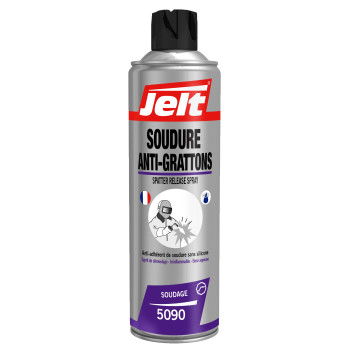
The Jelt brand product
Why choose Jelt anti-spatter products?
Jelt anti-spatter products, in addition to ensuring the safety of the DIYer or professional, provide certain advantages. First, they prevent the spread of gases that could pose a health hazard to the user. Furthermore, the Jelt brand offers models capable of preventing nozzle overheating and bursting. Also, these anti-spatter sprays contain neither silicone nor chlorinated solvent. They instead contain anti-corrosion additives. This product range is also suitable for electric arc welding methods, under CO2, with consumable electrode wire (MIG MAG). They also contain no graphite and do not generate cracks.
Jelt anti-spatter products are also protected against thermal shock and fouling caused by heavy scale build-up. They also contribute to good welding arc stability. Most impressively, the sprays offered by the Jelt brand are suitable for all types of welding (semi-automatic and automatic). They are also perfect for hot-dip galvanising work. As a result, these various advantages help reduce maintenance costs.
How to use a Jelt anti-spatter product?
Jelt anti-spatter can be used in various ways. First, it can be applied by external spraying onto the nozzle or across all welding equipment. The Jelt anti-spatter aerosol can also be sprayed inside the nozzle mixed with a shielding gas. At the end of the welding work, when the nozzle is hot, it is also possible to use the anti-spatter product by immersing it in a gel.
Afterwards, simply use a cloth or a soft brush to clean the weld spatter. Furthermore, since Jelt anti-spatter products do not contain silicone, it is easier to paint, galvanise or chromate the treated surfaces. To use these products without fear of adverse effects, it is advisable to follow all instructions printed on the spray can. The user should also equip themselves with the appropriate work accessories to ensure their safety during use of the anti-spatter product.
Safety accessories to wear when using a Jelt anti-spatter product
The professional required to use an anti-spatter spray must wear personal protective equipment. In this regard, it is advisable to wear protective gloves to avoid potential burns or cuts. Welding work also generally involves the presence of projectiles and intense light. This is why it is strongly recommended to wear safety goggles or a welding mask. Finally, the welder is advised to protect their respiratory tract to avoid irritation or inhalation of harmful gases or dust that may come from an anti-spatter spray. For this purpose, a full-face mask, either disposable or reusable, may be chosen.


 Italy
Italy
 Germany
 Netherlands
 Croatia
 Denmark
 Finland
 Greece
 Ireland
 Sweden
 Norway
 Bulgaria
 Estonia
 Latvia
 Lithuania
 Poland
 Czech Republic
 Romania
 Slovakia
 Slovenia
 Hungary
 Spain
Spain



 2-year warranty